
About 8 mi / ~18 min west of Lynn. Lynn Drywall & Plaster covers Wakefield on a regular route, with same-week scheduling typical for repair and remodel work.
Drywall work across Wakefield’s older center and postwar suburbs
Wakefield carries two distinct housing eras inside one town, and that split is the key fact for any drywall work here. Wakefield Center holds the town’s oldest housing, a genuine concentration of Victorians and colonials built long before drywall existed as a material, meaning original lath and plaster is still behind the walls of a great many of these homes. Ringed around that older core are postwar subdivisions, built out later on standard drywall construction, giving the town a real mix of plaster-era and modern building methods within a few miles of each other.
In the Victorian and colonial homes near Wakefield Center and Main St, the work looks like plaster work: settling cracks that open up as an old frame shifts with the seasons, a skim coat to blend a patch into surrounding plaster, or a full plaster-to-drywall conversion where a wall or ceiling has deteriorated past the point of a clean repair. It’s slower, more deliberate work than a standard drywall patch, matching an existing plaster surface rather than just closing a hole.
The postwar subdivisions surrounding the center tell a different story. Those homes were built on drywall from day one, so the calls there run more conventional: nail pops, a hole from a doorknob, a remodel that needs a wall reframed and finished. It’s the kind of steady residential repair and remodel work that suburban Massachusetts towns generate regardless of era.
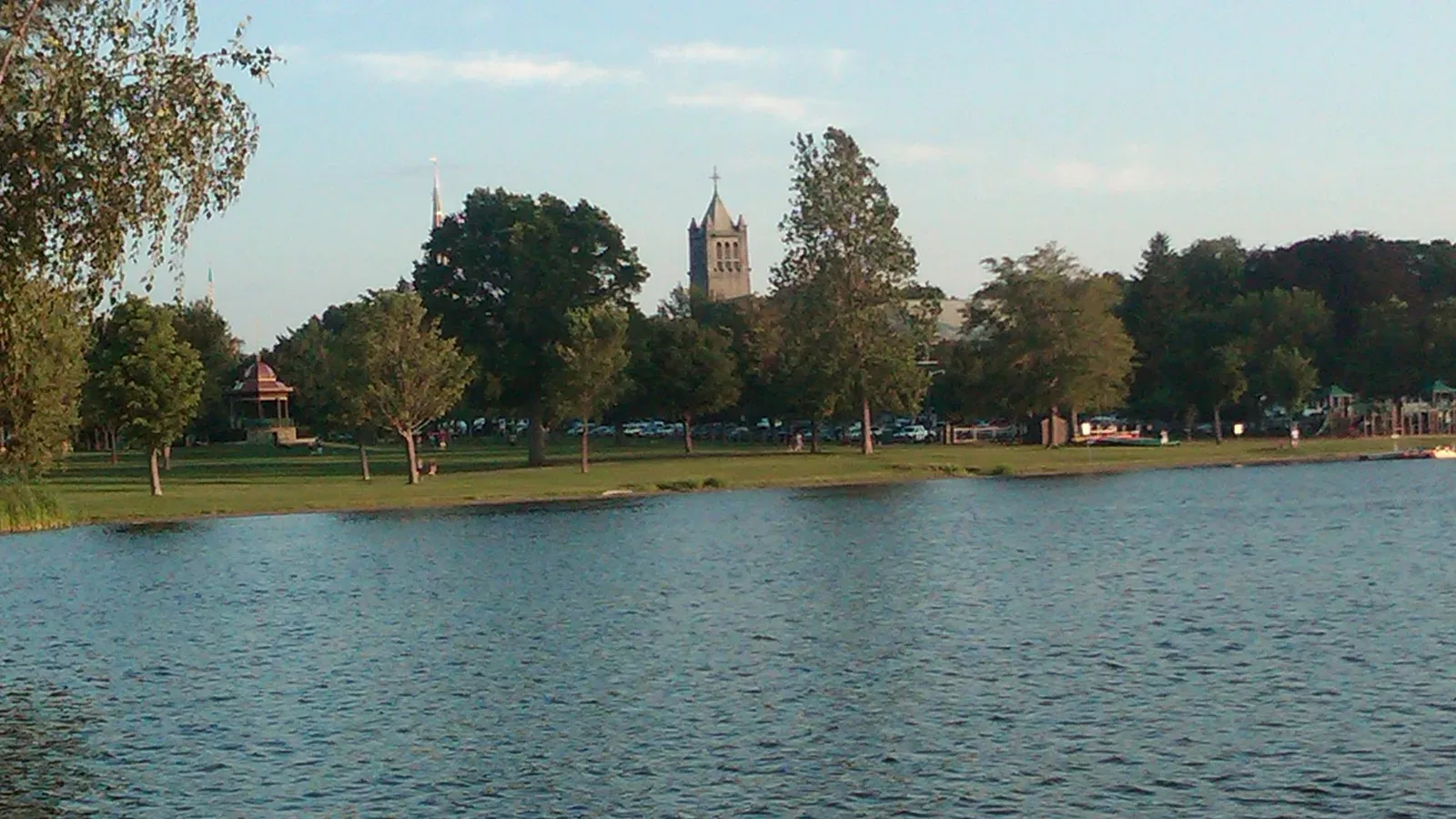
Lake Quannapowitt, bordering the town center, adds a premium layer to some of this work. Homes near the lake tend to be the ones investing in a full remodel rather than a patch, which means a Level 5 finish or careful texture matching matters more there than it might elsewhere in town. Greenwood, served by its own MBTA commuter-rail station, rounds out the town’s residential character alongside the center, with the stations themselves supporting a smaller amount of commercial and tenant-improvement work nearby.
Because Wakefield Center’s older housing predates 1978, EPA RRP lead-safe practices are standard whenever plaster or paint is disturbed there, a genuine consideration on nearly every job in that part of town.
Neighborhoods we work in
- Wakefield Center — The town's older core, home to its Victorian and colonial housing stock.
- Main St — The town center's main commercial street.
- Lake Quannapowitt — A lake bordering the town center, a scenic draw for nearby homes.
- Greenwood — A neighborhood served by its own MBTA commuter-rail station.
Why Wakefield homes need what they need
An older center of Victorians and colonials around Wakefield Center.
Original lath and plaster in these homes means settling-crack repair and skim coat work.
Postwar subdivisions surrounding the older center.
Standard-drywall construction generates conventional patch and remodel work.
Lake Quannapowitt as a scenic draw bordering the town center.
Homes near the lake tend to invest in higher-finish remodel work.
An MBTA commuter-rail station serving Greenwood and the town center.
Supports some tenant-improvement and small commercial work near the stations.
What we’re called for most in Wakefield
Local resources for Wakefield homeowners
- Inspectional Services & Zoning (Town of Wakefield) — Interior repair work still falls under 780 CMR; confirm whether a permit is needed before framing or structural work.
- Assessor (Town of Wakefield) — Source for a property's construction-year data, useful given the town's mixed older and postwar stock.
- Historical Commission (Town of Wakefield) — Relevant given the concentration of Victorian and colonial homes around the town center.
Frequently asked questions
Can you repair original plaster in a Wakefield Center Victorian? +
Yes. Lath-and-plaster repair, skim coat blending, and plaster-to-drywall conversion are regular work in Wakefield Center's older housing stock.
Do postwar homes in Wakefield need different drywall work than the older ones? +
Generally yes. Postwar subdivisions around the town center are built on standard drywall, so the work there tends to be conventional patch and remodel rather than plaster conversion.